SEO Strategy · On-Page Optimisation · 2026 Checklist
The Complete On-Page SEO Checklist: Every Element That Matters in 2026
13 min read · May 2026 · SEO Best Practices & Technical Optimisation
You’ve done the keyword research. You’ve published the content. You’ve waited — and your page is still sitting on page two of Google while competitors with seemingly average content rank above you. Sound familiar? In almost every case, the culprit is an incomplete on-page SEO strategy.
On-page SEO is the collection of optimisations you make directly within your web pages — from how you write your title tag to how fast your page loads on a mobile phone in rural India. Unlike off-page SEO which depends on external factors, every item on an on-page SEO checklist is entirely within your control. And in 2026, with Google’s algorithm more sophisticated than ever, getting these elements right is the difference between ranking on page one and being invisible.
This guide gives you the definitive, actionable on-page SEO checklist — structured by category, prioritised by impact, and backed by current best practices — so you can audit and optimise any page on your website with confidence.
68%
of online experiences begin with a search engine query
75%
of users never scroll past the first page of Google results
53%
of mobile users abandon pages that take over 3 seconds to load
3.5×
more organic traffic earned by pages with strong on-page SEO vs weak ones
📚 Data sources: Search engine experience statistics from BrightEdge Research (2024). Scroll behaviour data from Backlinko’s Google CTR study. Mobile abandonment rates from Google/SOASTA research (updated 2025). Traffic correlation from Semrush Ranking Factors study 2025. These are industry averages and correlations — not guarantees of specific outcomes.
What Is On-Page SEO and Why Does It Matter?
On-page SEO refers to all the optimisation activities performed within your web pages to help search engines understand your content, evaluate its quality, and determine where to rank it for relevant search queries. It encompasses everything from the words in your title tag to the structure of your URLs, the speed of your page, and the technical markup that helps Google display your content as rich results.
💡 Key insight: On-page SEO is the foundation everything else in your SEO strategy is built upon. You can earn thousands of backlinks, but if your page doesn’t clearly communicate its topic, intent, and quality to Google, those backlinks won’t reach their full potential. Get your on-page SEO checklist right first — then build authority on top of it.
Not sure how well your current pages are optimised? Get a free on-page SEO audit.
The Complete On-Page SEO Checklist for 2026
This checklist is structured across seven core categories. Apply this on-page SEO checklist systematically across each category— starting from must-do fundamentals and progressing to advanced optimisations that give you a competitive edge.
1. Keyword Research & Search Intent
Must Do
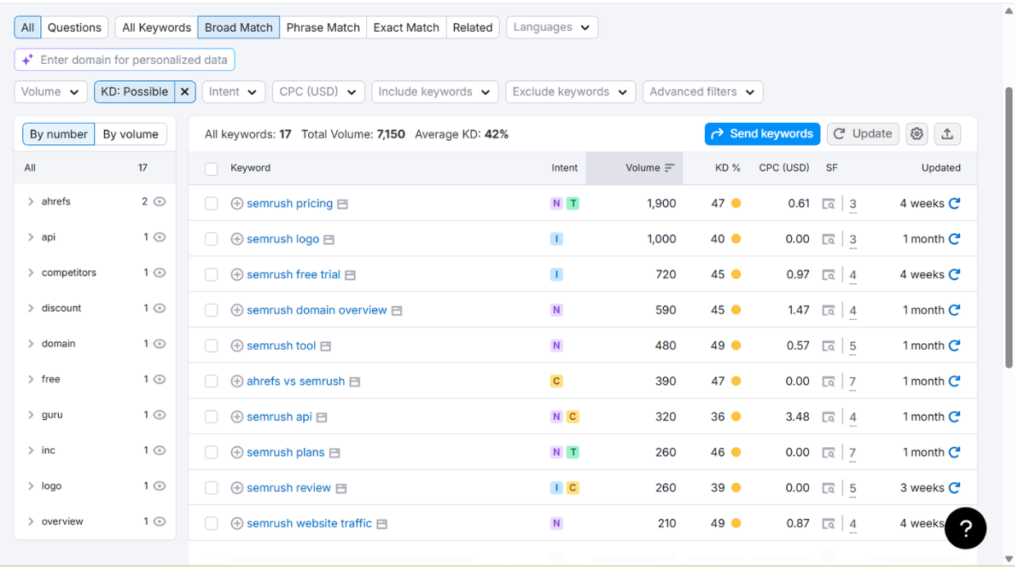
Identify a primary keyword — one clear target keyword per page with sufficient monthly search volume and realistic ranking difficulty for your domain.
Match search intent precisely — informational (how-to guides), navigational (brand searches), commercial (comparison pages), or transactional (product/service pages). Mismatched intent prevents ranking regardless of technical quality.
Identify 3–5 semantic/LSI keywords — related terms and phrases that naturally expand your content’s topical coverage without forcing keyword repetition.
Analyse SERP features for your keyword — check whether the top results are blog posts, product pages, videos, or local listings. Match your content format to what Google currently rewards for this query.
Research “People Also Ask” questions — incorporate answers to related questions throughout your content to capture featured snippet opportunities and satisfy deeper user intent.
2. Title Tags & Meta Descriptions
Must Do
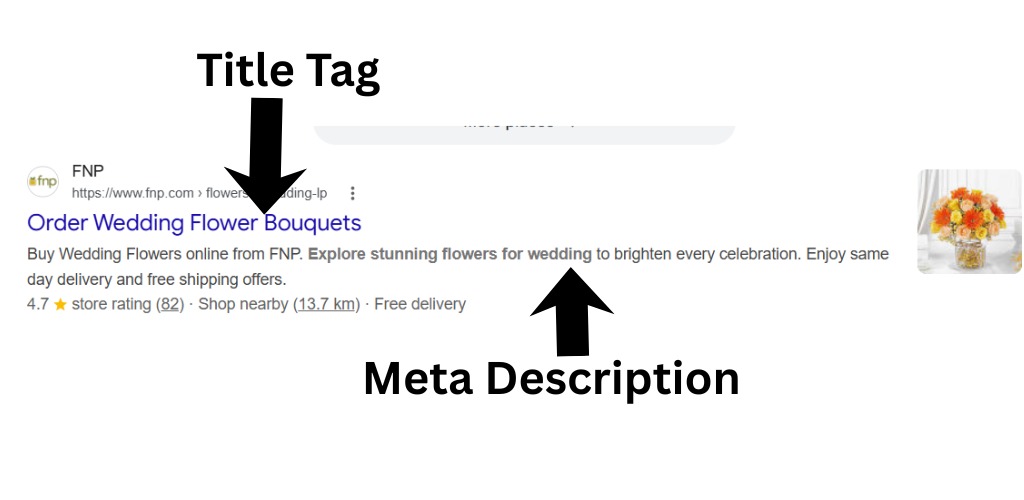
Primary keyword in title tag — positioned within the first 60 characters. Front-loading the keyword gives it maximum algorithmic weight and ensures it displays fully in Google’s search results.
Title tag under 60 characters — longer titles get truncated in SERPs, reducing click-through rates significantly. Aim for 50–58 characters for optimal display across all devices.
Unique title tag for every page — duplicate title tags confuse search engines about which page to rank and signal poor site quality. Every page needs a distinct, descriptive title.
Meta description between 140–160 characters — include the primary keyword, a clear value proposition, and a natural call to action. While not a direct ranking factor, a compelling meta description improves CTR which influences ranking.
Write for humans, not algorithms — your title and description are your organic advertisement. Write them to compel a click, not just to include keywords.
3. URL Structure & Heading Hierarchy
Must Do
Short, keyword-rich URL slug — keep URLs under 60 characters, include the primary keyword, use hyphens between words, and remove all stop words (the, a, an, of).
One H1 tag per page containing the primary keyword — the H1 is the most important on-page heading signal. It should clearly describe the page topic and include the target keyword naturally.
Logical H2 and H3 heading hierarchy — use H2s for main sections and H3s for subsections. Include semantic keywords in headings to broaden the page’s topical coverage without stuffing the main keyword.
No keyword stuffing in headings — forcing the exact keyword into every heading signals manipulation to Google’s Helpful Content system. Write headings that serve readers first.
4. Content Quality & Depth
Must Do
Primary keyword in first 100 words — early keyword placement confirms page relevance to both users and crawlers without requiring unnatural phrasing.
Content length matches competitor depth — analyse the word count of pages currently ranking for your keyword. Match or exceed their depth, but never pad content to hit an arbitrary number.
Original insights, examples, or data — Google’s Helpful Content update (2023–2025) rewards pages with demonstrable first-hand experience or unique perspective. Generic summaries of existing content rarely rank well in 2026.
Short paragraphs, bullet points, and scannable structure — 73% of readers scan before committing to read. Structure your content for scanning first — detailed reading second.
Answer the primary question within the first 300 words — Google rewards pages that answer user queries quickly. A direct, concise answer early in the content significantly improves featured snippet eligibility.
Semantic keyword integration throughout — use related terms, synonyms, and entity mentions naturally. Tools like Surfer SEO and Clearscope can identify which semantic terms top-ranking pages include.
5. Images, Media & Internal Linking
Important
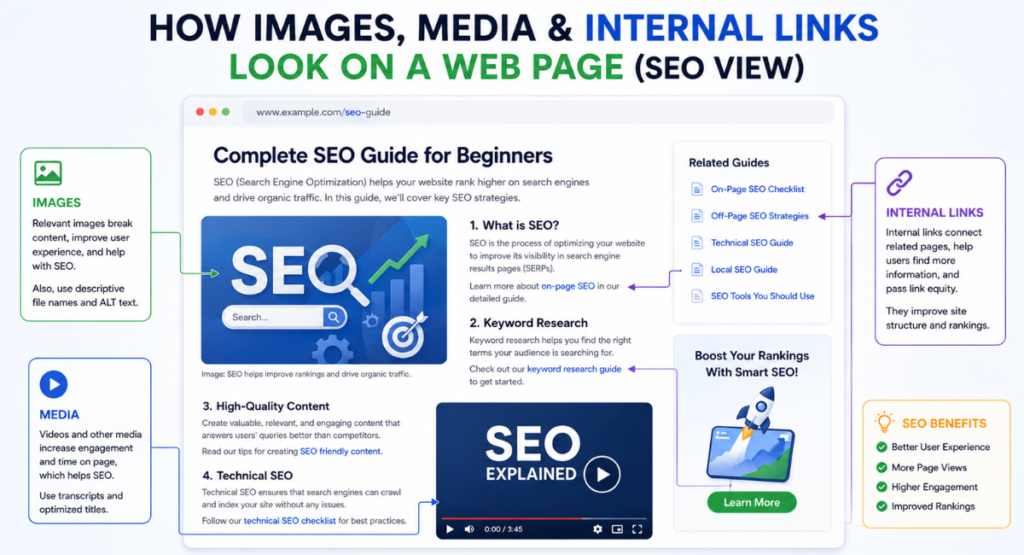
Descriptive alt text for every image — alt text helps visually impaired users and allows Google Image Search to understand and index your visual content. Include the primary keyword in at least one image’s alt text naturally.
Compressed image file sizes — images are the single largest contributor to slow page load times. Use WebP format and compress all images to under 100KB where possible without visible quality loss.
Descriptive image file names — rename files from “IMG_4521.jpg” to “on-page-seo-checklist-2026.webp” before uploading. Search engines index file names as additional relevance signals.
3–5 internal links per page — link to relevant pages within your own website using descriptive anchor text. Internal linking distributes page authority, improves crawlability, and keeps users engaged longer.
1–2 outbound links to authoritative sources — linking out to high-quality, relevant external sources signals to Google that your content is well-researched and contextually accurate.
6. Technical On-Page Factors
Important
Core Web Vitals passing scores — LCP (Largest Contentful Paint) under 2.5s, FID (First Input Delay) under 100ms, CLS (Cumulative Layout Shift) under 0.1. These are confirmed Google ranking signals since 2021.
Mobile-first responsive design — Google indexes the mobile version of your page first. If your page renders poorly on mobile, your rankings suffer regardless of desktop performance.
HTTPS secure protocol — Google has confirmed HTTPS as a ranking signal since 2014. Any page served over HTTP in 2026 faces both ranking penalties and user trust issues from browser security warnings.
No broken links or 404 errors on page — broken links harm user experience, waste crawl budget, and signal poor site maintenance to search engine crawlers.
Canonical tag correctly set — for pages with similar or duplicate content, canonical tags tell Google which version to index and credit with ranking authority.
7. Schema Markup & Advanced Signals
Important
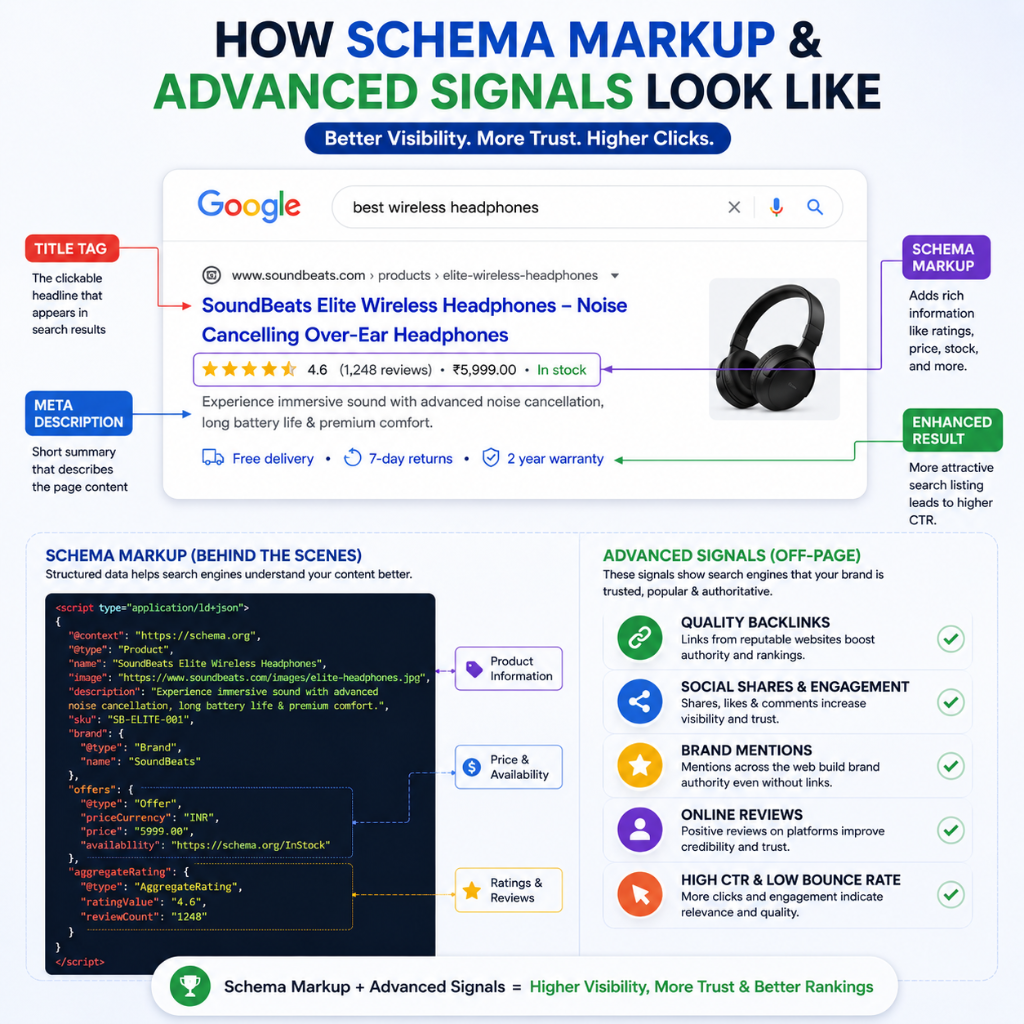
Implement relevant schema markup — The final technical layer of your on-page SEO checklist requires implementing structured schema data — Article, FAQ, HowTo, Product, LocalBusiness, or Review schema enables Google to display rich results (star ratings, FAQs, prices) directly in SERPs — dramatically improving CTR.
FAQ schema for question-based content — pages with FAQ schema frequently appear in Google’s “People Also Ask” boxes, capturing additional SERP real estate without a higher ranking position.
Author schema with E-E-A-T signals — for YMYL (Your Money or Your Life) topics covering health, finance, and legal content, author credentials and bio schema contribute meaningfully to Google’s quality assessment.
Breadcrumb schema for site structure — breadcrumb markup helps Google understand your site hierarchy and displays clean navigation paths in search results, improving both rankings and user experience.
Validate all schema with Google’s Rich Results Test — broken or invalid schema provides no benefit and can occasionally trigger warnings in Google Search Console.
Real Results: On-Page SEO Checklist in Action
Example 1 — B2B Accounting Software, Gurugram
A Gurugram-based accounting software company had 40+ blog posts that were generating almost no organic traffic despite being well-written. A systematic on-page SEO audit using this on-page SEO checklist revealed: 78% of pages had title tags over 70 characters, only 12% had any internal linking structure, and zero pages had schema markup. After implementing the full checklist across all pages over 8 weeks — optimising titles, restructuring headings, compressing images, fixing internal links, and adding FAQ schema — organic traffic grew 312% in 4 months. Average position improved from 24.3 to 8.7 across target keywords.
+312% organic traffic in 4 months | Avg. position: 24.3 → 8.7 | 0 → 23 pages with rich results
Example 2 — Local Ayurveda Clinic, Delhi
A Delhi-based Ayurveda clinic had a well-designed website but was invisible for treatment-specific searches. The on-page SEO checklist revealed critical gaps: pages lacked H1 tags on 60% of service pages, image sizes were averaging 2.4MB (causing 8-second load times on mobile), and zero pages had LocalBusiness or MedicalBusiness schema. After a focused 6-week on-page optimisation — restructuring headings, converting all images to WebP under 80KB, implementing schema, and building internal links between treatment pages — the clinic’s target pages moved from position 34 to position 6 for “Ayurveda clinic Delhi,” and mobile bounce rate dropped from 74% to 41%.
Position 34 → 6 in 6 | weeksMobile load: 8s → 1.8s | Bounce rate: 74% → 41%
Need help implementing this checklist for your website? Let's talk today.
Best Free & Paid Tools to Execute Your On-Page SEO Checklist
🔍 Google Search Console
Free — tracks keyword rankings, Core Web Vitals, indexing issues, and manual actions. Essential starting point for any on-page audit.
⚡ Google PageSpeed Insights
Free — analyses Core Web Vitals and provides specific, actionable recommendations for improving LCP, FID, and CLS scores.
🏗️ Screaming Frog
Crawls your entire website to identify missing title tags, duplicate meta descriptions, broken links, redirect chains, and missing alt text at scale.
📊 Ahrefs / Semrush
Comprehensive keyword research, content gap analysis, and on-page optimisation scoring. Paid but industry-standard for serious SEO work.
✍️ Surfer SEO
Analyses top-ranking pages for your target keyword and provides a content score showing which semantic terms and structures to include.
Free — validates your schema markup and previews how Google will display your rich results before you publish.
Frequently Asked Questions: On-Page SEO Checklist
How often should I run a website audit using this on-page SEO checklist?
Existing pages should be audited against your on-page SEO checklist every 6 months at minimum, or whenever Google releases a major algorithm update. New pages should be fully optimised against the checklist before publication — retrofitting is always more time-consuming than building it right the first time. Rapidly changing competitive landscapes in some industries may require quarterly reviews of your top-traffic pages.
What is the most important item on an on-page SEO checklist?
The most critical element on any on-page SEO checklist is matching search intent. A page with a perfect title tag, ideal keyword density, and lightning-fast load speed will still fail to rank if it doesn’t match what the user actually wants when they type that query. Google’s algorithm has become extremely sophisticated at identifying whether a page’s content format and depth satisfy the intent behind a search — and misaligned intent is one of the most common reasons otherwise well-optimised pages underperform.
How long does it take to see results after implementing on-page SEO?
For new pages, Google typically indexes and begins evaluating optimised content within 1–4 weeks of publication. Ranking improvements for established pages after on-page optimisation are often visible within 4–8 weeks. The speed of change depends on your domain’s existing authority, the competitiveness of your target keywords, how frequently Googlebot crawls your site, and the scale of changes made. Using Google Search Console’s URL Inspection tool to request indexing after significant changes can accelerate the process.
Is keyword density still important for on-page SEO in 2026?
Keyword density as a precise metric is largely outdated — Google’s NLP (Natural Language Processing) capabilities now understand context and meaning far beyond simple word frequency counts. What matters is that your primary keyword appears naturally in key positions (title, H1, first 100 words, meta description) and that your overall content comprehensively covers the topic using related terms and entities. Forcing a specific keyword percentage typically produces awkward, lower-quality content that hurts rankings more than it helps.
Do I need schema markup to rank on Google?
Schema markup is not a direct ranking factor — pages without it can and do rank on Google’s first page. However, schema significantly improves how your content displays in search results (star ratings, FAQ dropdowns, price information, event dates), which directly improves click-through rates. Higher CTR sends positive user engagement signals to Google that can improve your rankings over time. For competitive niches where multiple pages have similar authority, rich results generated by schema can be the decisive factor in which listing gets clicked.
What is the difference between on-page SEO and technical SEO?
On-page SEO focuses on the visible content and HTML elements within individual pages — title tags, headings, content quality, keyword optimisation, and images. Technical SEO addresses the underlying infrastructure of your entire website — site architecture, XML sitemaps, crawl budget management, JavaScript rendering, server response times, and HTTPS implementation. There is significant overlap (page speed, mobile optimisation, and canonical tags touch both disciplines), but technical SEO is typically addressed at the site level while on-page SEO is optimised page-by-page.
Conclusion: Your On-Page SEO Checklist Is Your Competitive Advantage
Every page on your website is an opportunity — an opportunity to rank, to attract a qualified visitor, to answer a question, and to convert a searcher into a customer. An on-page SEO checklist ensures you never leave that opportunity half-realised by overlooking an element that Google weighs heavily in its ranking decision.
The checklist in this guide is not theoretical. Every item — from matching search intent to implementing schema markup — is grounded in how Google’s algorithm actually evaluates content quality and relevance in 2026. Work through each category systematically, prioritise the must-do fundamentals first, and build toward the advanced signals that give you a decisive edge in competitive niches.
You don’t need to implement everything overnight. Even optimising your top 5 most-visited pages against this checklist can produce measurable ranking improvements within weeks. Start there, measure the results, and expand your optimisation programme page by page.